
Liszt & the Great Italians
A journey through Italian culture with Franz Liszt. CD, 2013 | Fazioli Concert Hall, Italy

About
Liszt & the Great Italians is a journey through Italian culture in the music of Franz Liszt. The debut CD of pianist Christiaan Kuyvenhoven from 2013.
Recorded at the Fazioli Concert Hall in Sacile (IT), Liszt & the Great Italians is a collection of music by Franz Liszt about the Italian cultural heritage. From the love poetry of Petrarch, to the folklore of Venice and Naples; from religious sobriety to the virtuosity of Verdi’s operas: Liszt’s music opens all doors.
‘Inspiration, interpretation’ is the motto of the album. That is reflected in the repertoire, but also in the way it was published. It is accompanied by a unique series of still life photography, made by Dik Nicolai, aiming to inspire the listener/viewer to create an own interpretation.

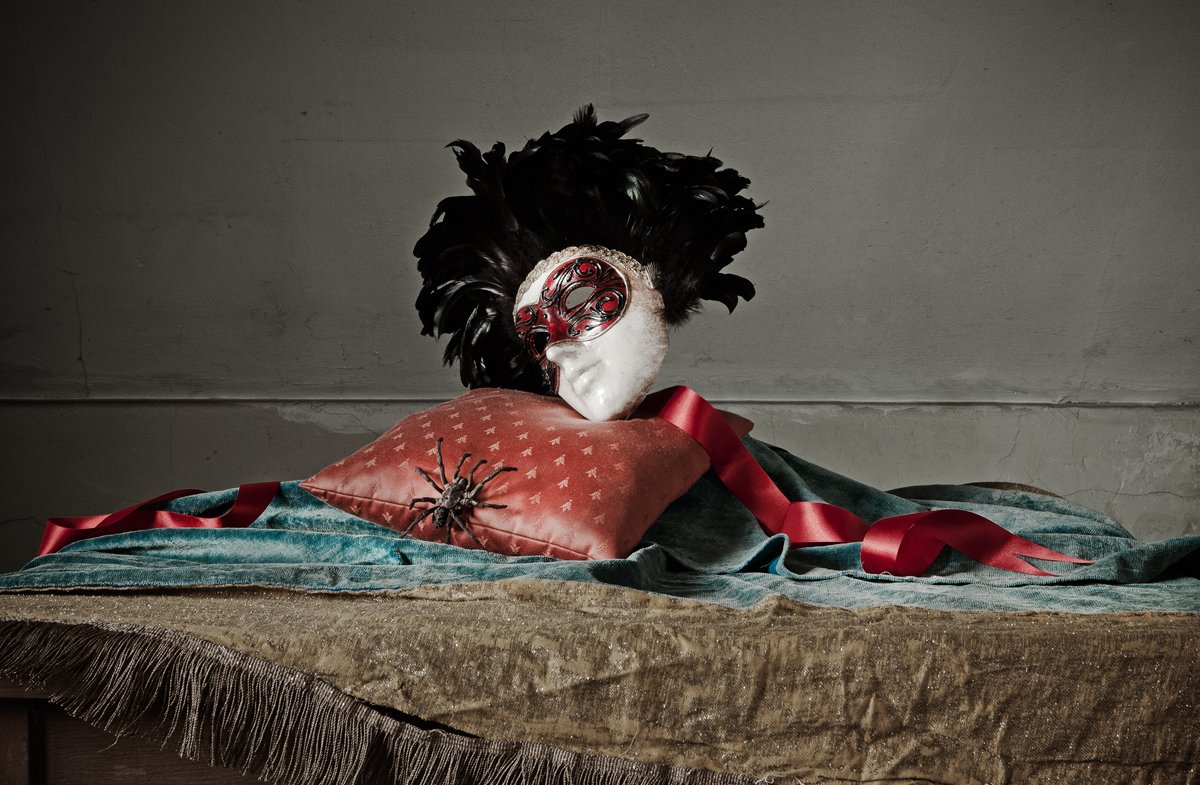
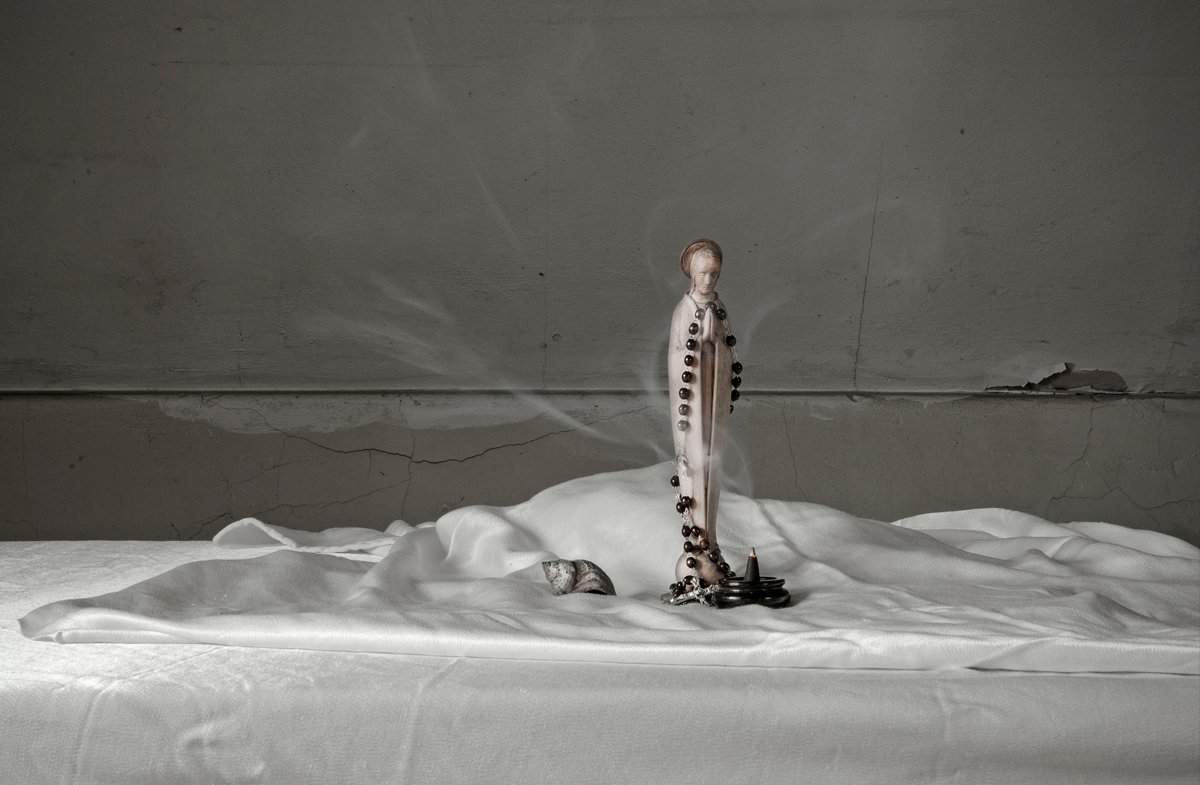
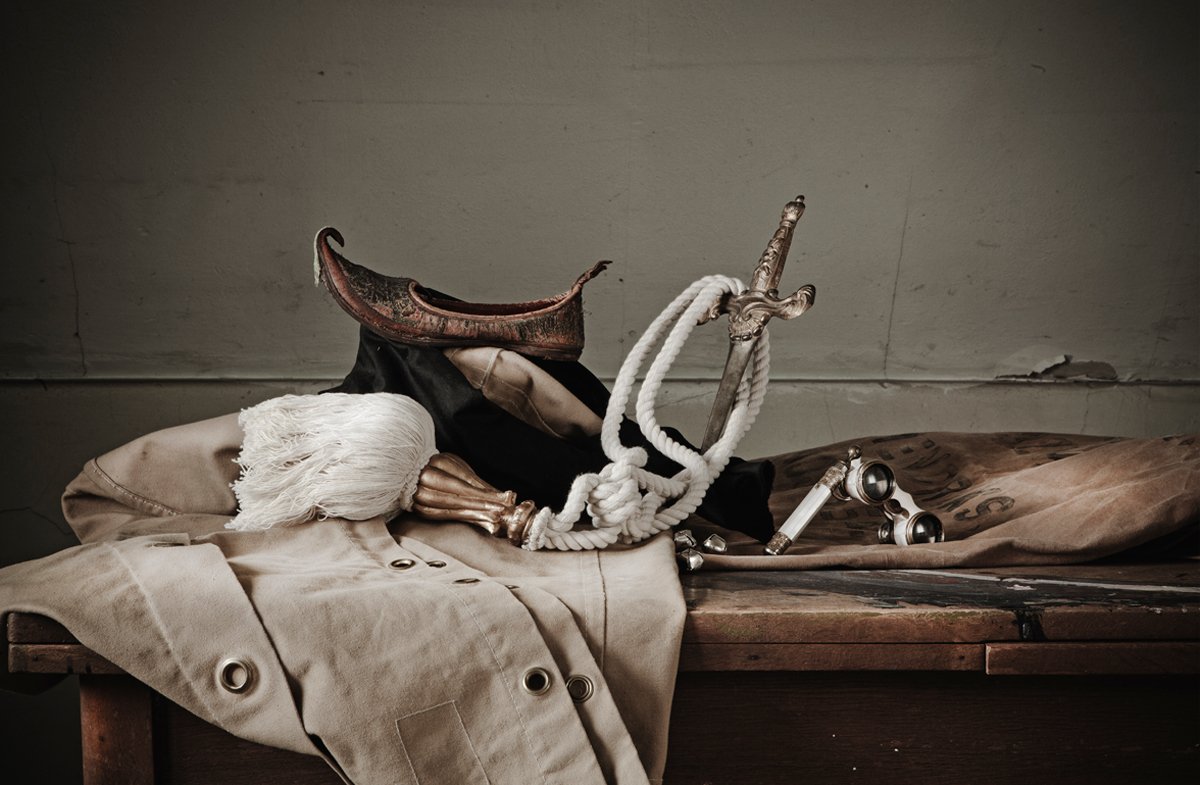
Still life photography by Dik Nicolai | Poetry, folklore, religion, opera
CD
Liszt & the Great Italians
Credits
Crew
Artistic producer: Leslie Howard
Sound engineer: Matteo Costa
Piano: Fazioli 278, ‘Il Mago Merlino’
Location: Fazioli Concert Hall, Sacile (IT)
Thanks to: Paolo Fazioli, Quinten Peelen, Evert Snel, Elena Turrin
Duration 69 min.
“Oh blessed be the day, the month, the year, the season and the time, the hour, the instant, the cracious countryside, the place where I was struck by those two lovely eyes that bound me.”
Francesco Petrarca, Sonetto 47
Composer
Franz Liszt (1811-1886)
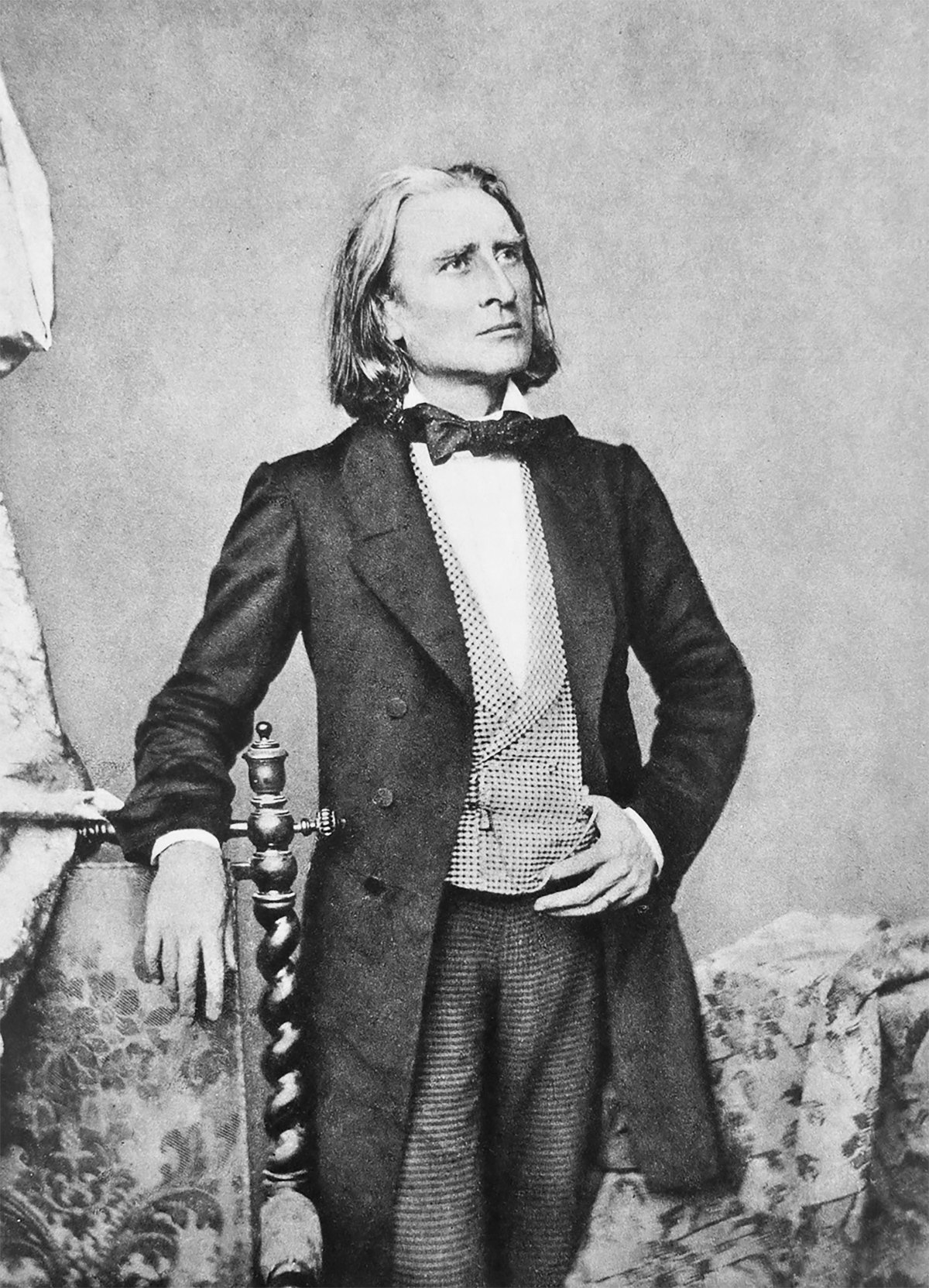
Franz Liszt photographed in 1858
Franz Liszt was one of the most influential musicians of the nineteenth century. Displaying an incredible musical talent at a young age, he would become the most famous piano virtuoso of his time. As a concert pianist he travelled all over Europe, leaving his audiences in awe about his vituosity and musical abilities.
As a composer, Liszt not only wrote a great deal of original music for the piano; he also made many transcriptions of the work of other composers, and wrote pieces based on national themes. Besides, his oeuvre consists of symphonic music, lieder and chamber music. He was one of the most prominent representatives of the New German School, developing music forms and harmonies that would leave their mark on the 20th century.
Liszt was a true cosmoplitan who was inspired by many other art forms and subjects for his music. On Liszt & the Great Italians, his relationship to the Italians heritage is being explored by focussing on four themes: poetry, folklore, religion, and the opera.
“Fairest daughter of love, I am a slave to your charms; with but a single word you could relieve my every pain. Come, touch my breast and feel how my heart is racing.”
Rigoletto (Verdi) – Quartet from Act 3