De Koperen Tuin
Music theater 2013-2016
About the show
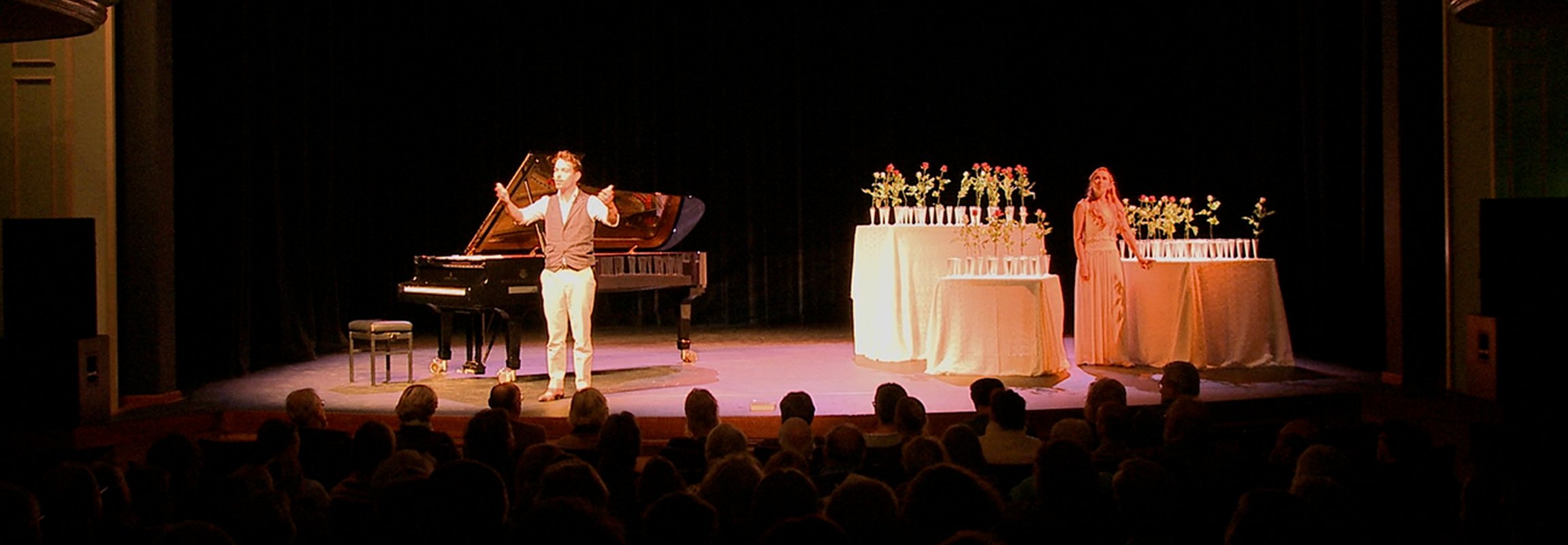
Cosima is a music theater solo about Liszt’s daughter, Wagner’s wife. A personal love story about identity, devotion, justice and power. A portrait of a determined woman.
Cosima tells the intriguing life story of the daughter of the nineteenth century piano virtuoso Franz Liszt. A lack of fatherly love in her youth leads Cosima to search for her own path to happiness. She knows that she has discovered her true purpose in life when she becomes the wife of opera composer Richard Wagner.
She devotes herself to his genius, serving his soul. By building her own empire in Bayreuth she becomes one of the most influential cultural people. But at what price? Cosima is a love story about identity, devotion, justice and power. A portrait of a determined woman.
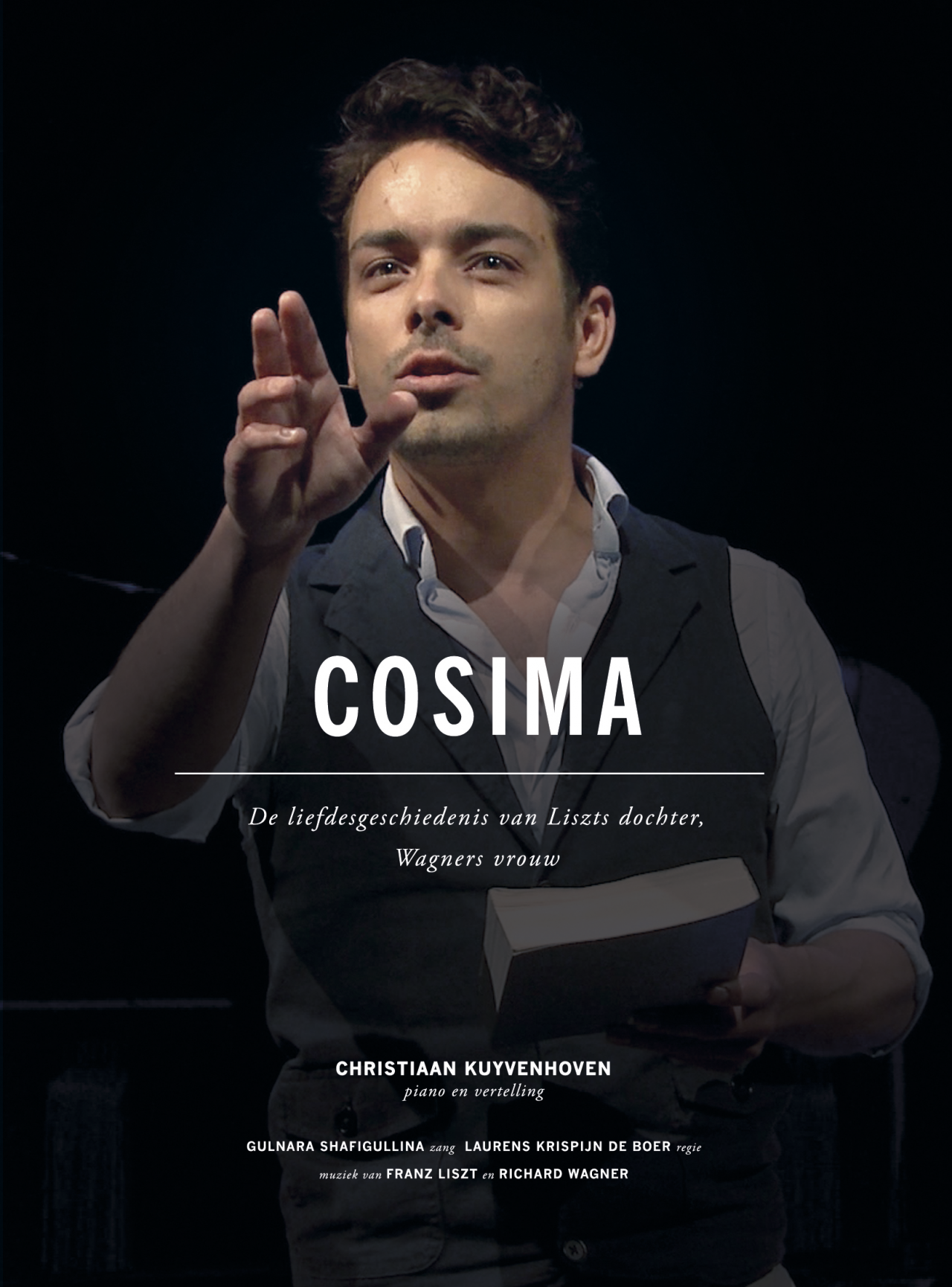
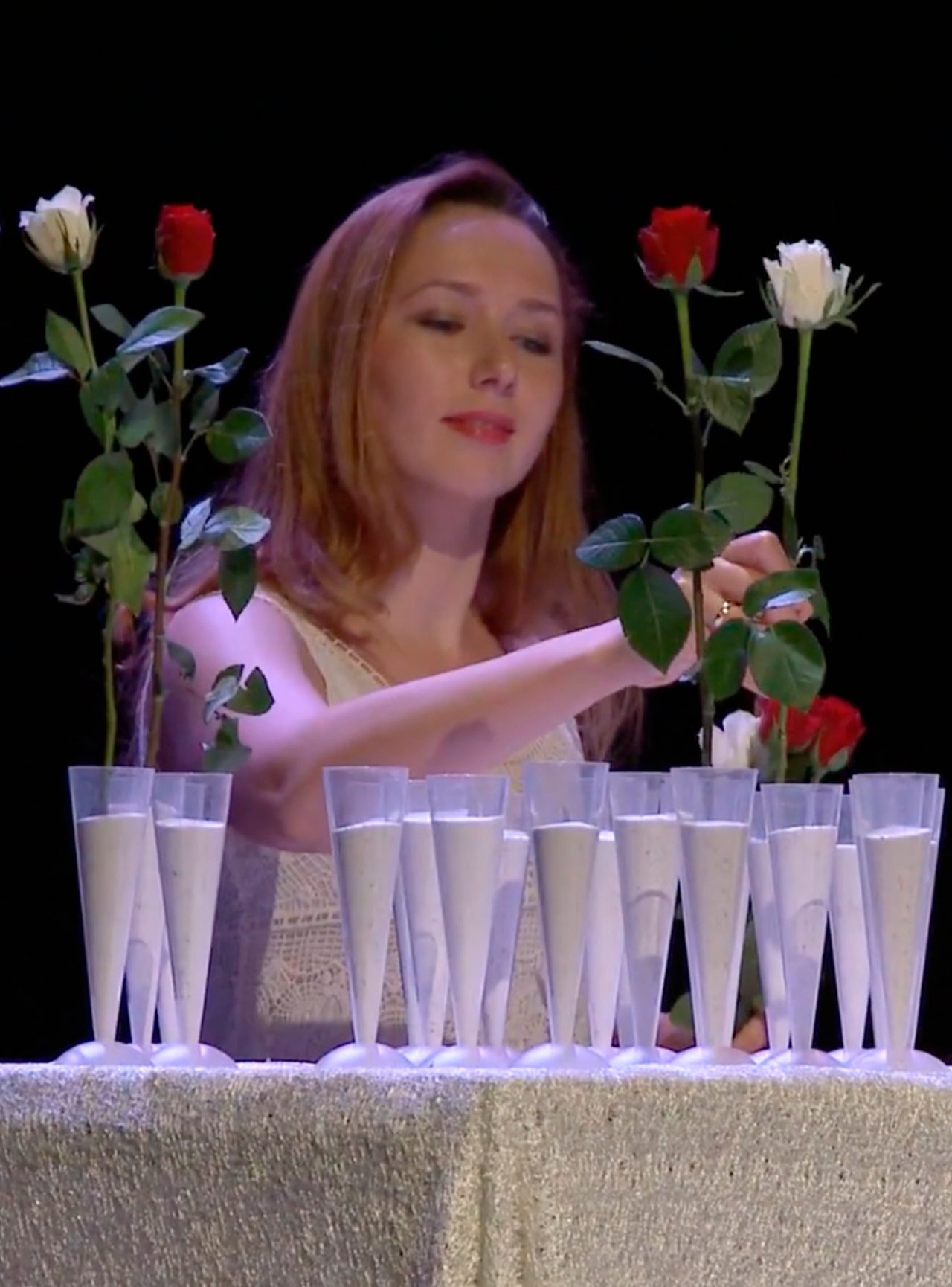
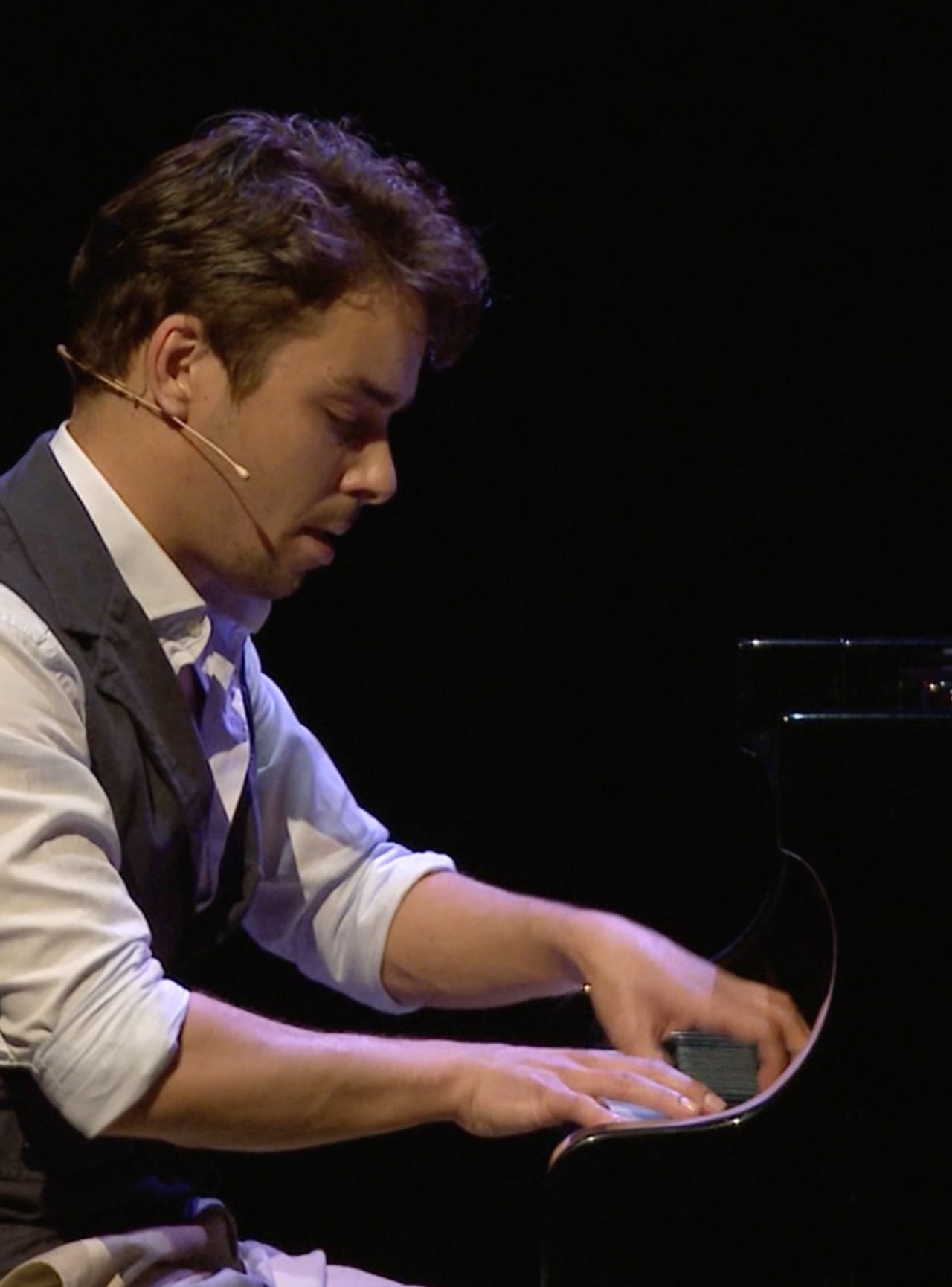
Cosima (DVD cover) & scenes
Video
Wagner/Liszt – Isoldes Liebestod
Play
Live recording at Compagnietheater Amsterdam, May 22, 2014
Watch the full show here (Dutch spoken)
Credits
Cast & crew
Director: Laurens Krispijn de Boer
Piano & narration: Christiaan Kuyvenhoven
Singer: Gulnara Shaifullina
Script: Laurens Krispijn de Boer & Christiaan Kuyvenhoven
Technique: Eelco Vellema
Camera: Thomas Kist, Alex de Waal
Audio: Wessel Oltheten, Spoor14
Sponsors: Fazioli, Evert Snel, Liszt Utrecht
Produced by: Certo Productions
Music
Wagner/Rubinstein – Siegfried-Idyll
Liszt – Tarantella (Venezia e Napoli)
Wagner – Im Treibhaus
Wagner/Tausig – Siegmunds Liebesgesang
Wagner/von Bülow – Meistersinger Paraphrase
Wagner: Träume
Wagner/Liszt: Isoldes LIebestod
Wagner/Liszt: Walhall
Wagner: Schmerzen
Wagner: Stehe Still
Duration 100 min. Dutch spoken.
“Kuyvenhoven is a gifted narrator. His gestures are as eloquent as his dynamics in speech. He is not afraid to drop dramatic silences.”
De Stentor, Leeuwarder Courant
Liszt’s daughter, Wagner’s wife
Cosima Wagner-Liszt (1837-1931)
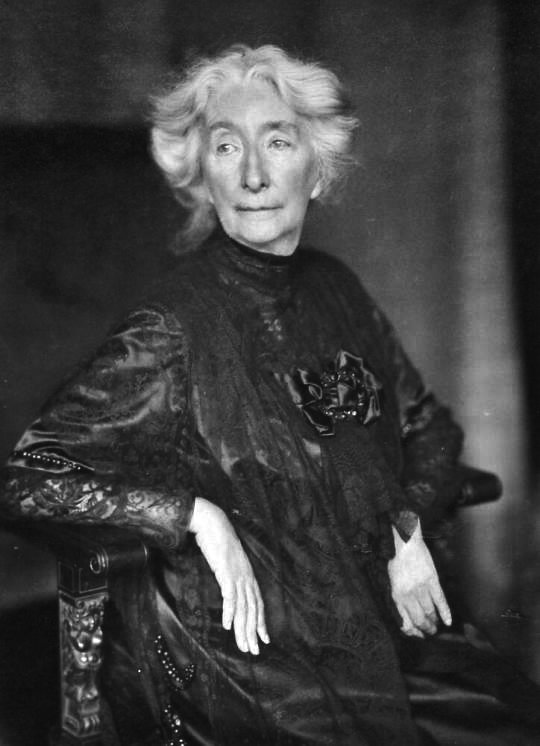
Cosima Wagner photographed by Jacob Hilsdorf (1905)
Cosima Wagner was the daughter of the Hungarian composer and pianist Franz Liszt and Marie d’Agoult. She became the second wife of the German composer Richard Wagner, and with him founded the Bayreuth Festival as a showcase for his stage works. She devoted her life to the promotion of his music and philosophy. Commentators have recognised Cosima as the principal inspiration for Wagner’s later works, particularly Parsifal.
In 1857, after a childhood largely spent under the care of her grandmother and with governesses, Cosima married the conductor Hans von Bülow. Although the marriage produced two children, it was largely a loveless union, and in 1863 Cosima began a relationship with Wagner, who was 24 years her senior. She married him in 1870. After his death in 1883 she directed the Bayreuth Festival for more than 20 years, increasing its repertoire to form the Bayreuth canon of ten operas and establishing the festival as a major event in the world of musical theatre.
Read more in ‘The Lady of Bayreuth’ by Oliver Hilmes.
“You shall know every hour of my life, so that one day you will come to see me as I am. For, if I die young, others will be able to tell you very little about me, and if I live long, I shall probably only wish to remain silent. In this way you will help me do my duty – yes, children, my duty. What I mean by that you will find out later.”
Cosima in her diary on January 1, 1869
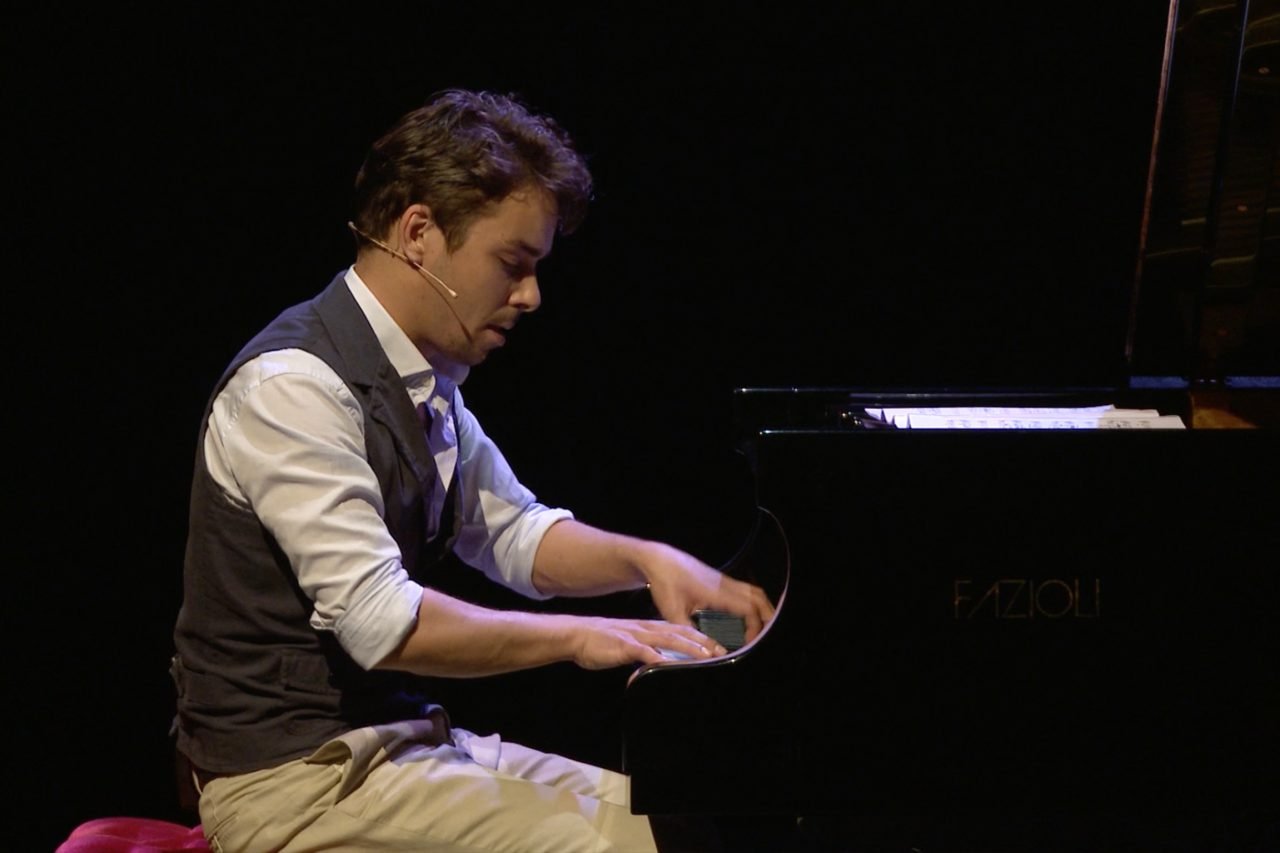
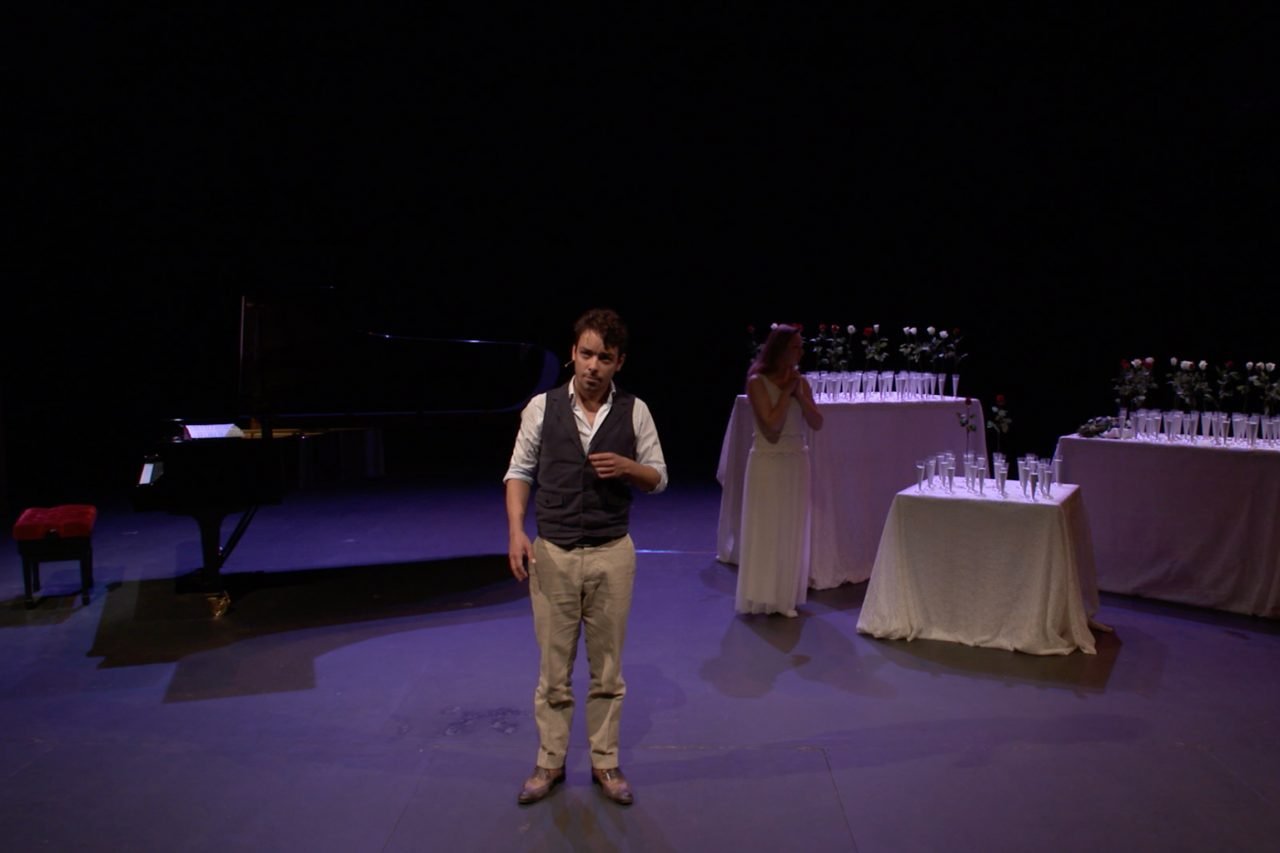
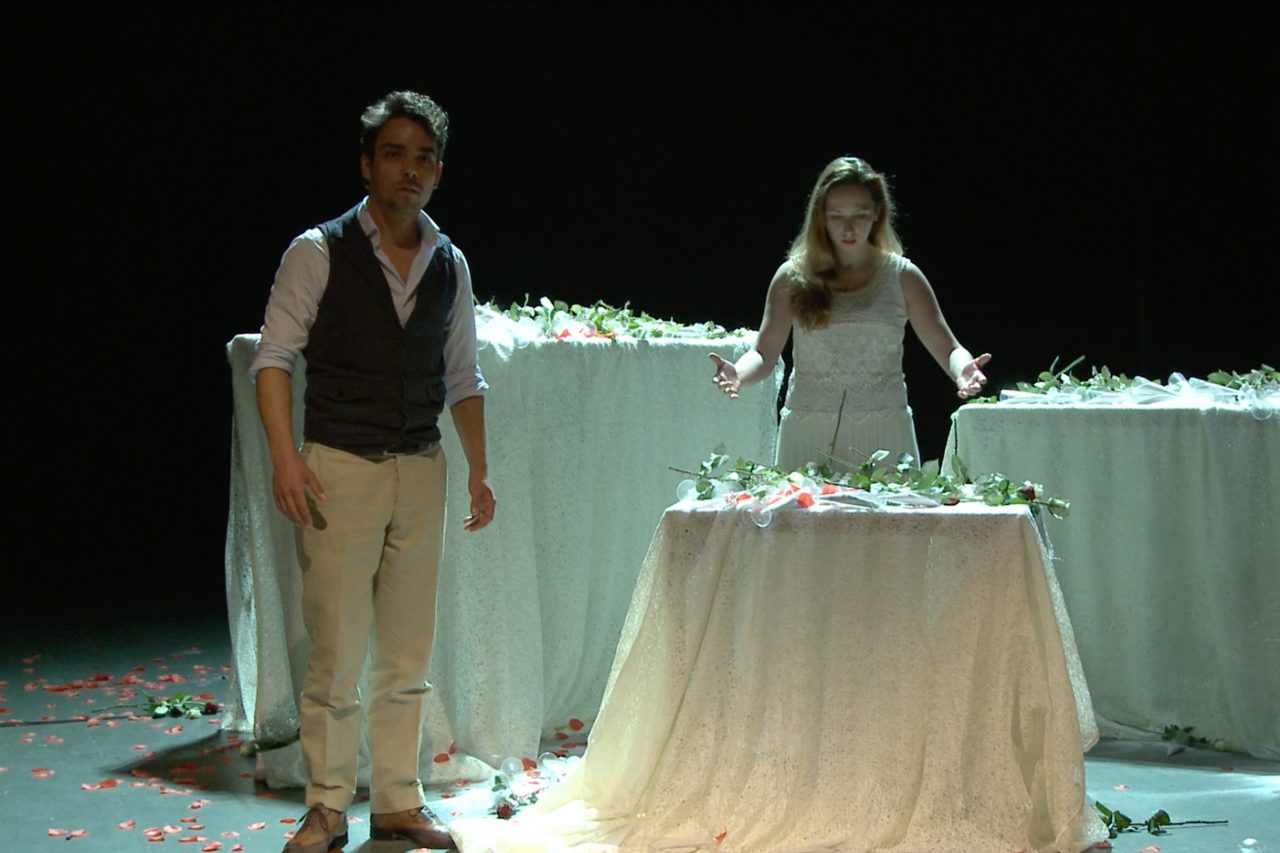
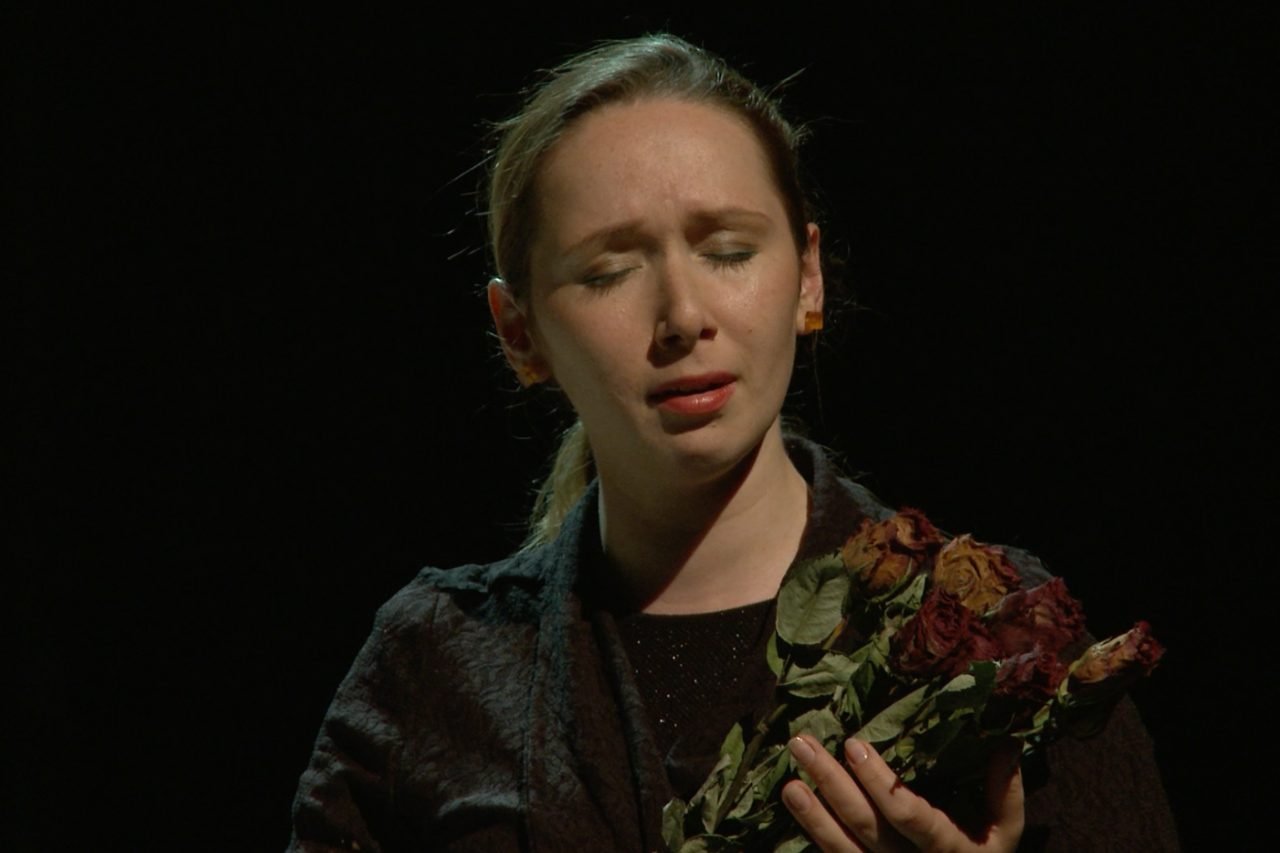
Scenes from Cosima